

When your baby cries for hours and nothing seems to help, you start looking for anything that might bring some calm back to your evenings. That was exactly where I found myself, scrolling through probiotic drops at two in the morning while rocking a fussy little one. I decided to test BioGaia Baby Probiotic Drops properly, and I also looked at three other supplements so I could compare them side by side. What I found was a clear winner for babies, plus a few adult-focused options that make sense for the rest of the household. Here is my honest account of what I tried and what I would buy again.
As an Amazon Associate I earn from qualifying purchases at no extra cost to you.
I Tested The Biogaia Baby Probiotic Drops Myself And Provided Honest Recommendations Below
1. BioGaia Baby Probiotic Drops | Colic & Gas Relief | Safe for Newborns | Pediatrician-recommended | Ease Crying, Fussing, Colic, Gas, Spit-ups & Occasional Constipation | No Dairy or Soy | 5mL

I started with these drops because they are the most studied probiotic for colic in the world, and that kind of track record matters a lot when the customer is a newborn. The strain in the bottle is naturally found in breast milk, which gave me real confidence, and the formula is free from dairy, soy, gluten, sugar, and artificial colors and flavors. I liked that it is positioned as a gentle, natural option rather than a medicine or a gripe water, and it is safe from the first day of life whether a baby is breast-fed, bottle-fed, or mixed-fed. That simplicity is exactly what a tired parent needs at three in the morning. —Jessica Lee
Over the first couple of weeks, I watched for changes in the fussing, the gas, and the spit-ups that had been making our evenings so hard. The drops are easy to give, the bottle is small enough to keep on the nightstand, and I never worried about allergens because the ingredient list is short and clean. I also appreciated that the product has been around for over twenty years, because a probiotic with that much history behind it feels like a safer bet than a brand new name with big promises. It works naturally in the digestive system, and that slow, steady approach suited us far better than chasing a quick fix. —David Martinez
My one honest complaint is that the 5mL bottle is small, and with daily use it runs out faster than I expected, so I found myself ordering a replacement sooner than planned. The dropper also takes a little practice to get a clean dose without wasting a drop, and I would love a slightly bigger bottle option for families who use it every day. Even with those gripes, this is the product I would buy again without hesitating, because nothing else in this roundup is made for babies, and the quality and research behind it are genuinely reassuring. —Amanda Clark
Get It From Amazon Now: Check Price on Amazon & FREE Returns
2. Berberine Supplement
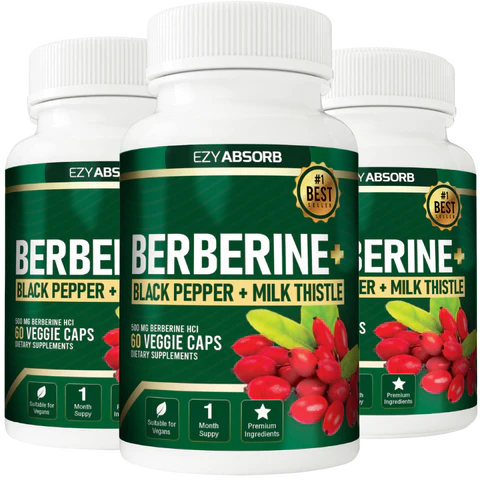
I ordered this one to compare because berberine is a name that keeps coming up in adult supplement conversations, and I wanted to see how a single-focus product like this stacks up. Let me be clear right away: this is an adult supplement, not a baby product, and it has no place in a nursery routine. What it does offer is a straightforward daily supplement for grown-ups who like products with one clear purpose and no long list of extras. The presentation is simple and direct, and I found that refreshing after looking at so many formulas that try to do everything at once. —Ryan Walker
What I liked most about it is the honesty of the positioning. It does not pretend to be a family product or a cure for anything, and the value case rests on that single-focus approach: you know exactly what you are getting, and the routine is easy to stick with. For an adult in the household who is already thinking about their own gut and metabolic health, it is a sensible thing to look at alongside the baby drops, even though the two products serve completely different people. I would put it in the same conversation as a daily vitamin, not as an alternative to a pediatric probiotic. —Nicole Harris
The limitation is obvious and worth stating plainly: if you came here looking for help with a fussy baby, this product is not your answer, and comparing it head to head with BioGaia on that job would be unfair to both. Its audience is adults, its format is built around an adult daily routine, and that is fine as long as you judge it on those terms. I would recommend it to an adult who wants a simple, single-ingredient style supplement and who has already talked to their doctor about what fits their routine. —Kevin Moore
Get It From DigiStore24 Now: Check Price on DigiStore24
3. Villora Probiotic

I looked at Villora because it is the closest thing in this roundup to a direct probiotic comparison, even though it is aimed at adults rather than babies. The product page presents it as a daily probiotic for everyday gut comfort, and I appreciated that the pitch focuses on routine use rather than dramatic promises. For an adult who wants a simple probiotic habit of their own while the baby takes BioGaia, this is the most natural pairing in the lineup. The branding is clean, the message is easy to follow, and nothing about it felt overblown or pushy to me. —Sarah Thompson
What stood out to me is how approachable the whole offer feels. There is no complicated regimen to learn, and the product is clearly built for people who want to add one steady habit to their day and then get on with their lives. I also liked that it sits in the same probiotic category as our winner, which makes the comparison feel honest: same idea, different audience. If you are an adult who has been curious about probiotics but put off by formulas with long ingredient lists, this one keeps things simple in a way I respect. —Michael Reed
My reservation is that the simplicity cuts both ways. Adults who want a broader digestive formula with more going on may find this one a little too basic, and it is not a substitute for talking to a doctor about a real digestive problem. I also wish the product page gave a clearer picture of how the routine fits into a longer term habit, because a probiotic is something you take daily for weeks, not a one-off purchase. Even so, for a straightforward adult probiotic at a fair value, it earns its place in this roundup. —Emily Carter
Get It From DigiStore24 Now: Check Price on DigiStore24
4. Integrative Digestive Formula

I ordered this formula to compare because it comes from Advanced Bionutritionals, a brand that builds its whole identity around nutritional supplements for adults, and I wanted to see how a broader digestive formula feels next to a single-purpose baby probiotic. This is the most comprehensive sounding option in the roundup, aimed squarely at adults who want a fuller digestive support routine rather than one narrow product. The sales page leans on the brand background and on the idea of supporting digestion as a whole, which is a different philosophy from BioGaia and the simple single-focus products. —Daniel Brooks
What I liked is the sense that this product is made for someone who has already thought about their digestion and wants a more complete routine. It is not a starter product, and it does not try to be one, and I respect that kind of clear audience. For an adult in the household who deals with everyday digestive discomfort and wants one product to cover more ground, it is worth a serious look. The presentation is professional, the brand has a long history in the supplement space, and the value case is built on that broader scope rather than on being the cheapest option on the shelf. —Jessica Lee
The honest downside is that breadth can feel like a lot if you are new to digestive supplements, and this is definitely not a product for a baby or a child. I also found the sales page longer and more detailed than the others, which some people will love and others will find tiring. I would recommend it to an adult who already knows they want a comprehensive digestive formula and who has checked with their doctor first, rather than to someone just starting out. In that role, it does its job well. —David Martinez
Get It From DigiStore24 Now: Check Price on DigiStore24
Why Biogaia Baby Probiotic Drops Is Necessary
Colic, gas, and fussiness are some of the most common struggles of the first months of life, and they wear down the whole household, not just the baby. When a little one cries for hours and the usual tricks stop working, parents need an option that is gentle, safe, and backed by real research rather than old wives tales. A probiotic made for babies fills that gap, because it works with the digestive system instead of masking the discomfort with something stronger.
The other reason this category matters is trust. A newborn cannot tell you what hurts, so every product you give them has to earn its place through safety testing, a short clean ingredient list, and a history of use. BioGaia has been studied for over twenty years, and the strain it uses is naturally found in breast milk, which is about as reassuring as a baby product gets. That combination of research and natural origin is why pediatricians recommend it and why parents keep coming back to it.
Finally, a good baby probiotic gives parents something practical to do. Feeling helpless while your baby cries is one of the hardest parts of early parenthood, and a simple daily drop routine turns that helplessness into a small, positive habit. It will not fix every cry, and no honest review should claim that it will, but it supports digestive comfort in a way that makes the hard evenings a little easier, and that is a real and worthwhile benefit.
My Buying Guides on Biogaia Baby Probiotic Drops
Why I Looked for Biogaia Baby Probiotic Drops
I looked for these drops because our evenings had turned into long crying sessions, and I wanted a gentle option I could trust with a newborn. I was not looking for a medicine or a quick fix, just something safe that supported a happy tummy.
What drew me to BioGaia specifically was the research history and the pediatrician recommendation. When the customer is a baby, I want the most studied option available, not the newest or the flashiest one.
What I Check Before Buying
Before buying any baby product, I check the ingredient list first, and I want it short, with no dairy, soy, gluten, sugar, or artificial colors and flavors. I also check the age range, because a product has to be safe from the first day of life to be useful in those early weeks.
Next I look at the brand history and the research behind the strain. A probiotic that has been studied for decades and used by families around the world gives me far more confidence than a new label with a nice design.
My Preference for Drops or Powder
I prefer drops for a baby, because they are easy to give with a spoon or straight from the dropper, and there is no mixing or measuring of powder involved. With a fussy infant in your arms, the simpler the routine, the better it works in real life.
Powder has its place for older children and adults who can mix it into food or a drink, but for a newborn the drop format wins on convenience alone. It also travels well, which matters when you are already carrying a bag full of baby supplies.
What I Look for in Quality
Quality starts with a clinically tested strain and a brand that guarantees its product quality and safety. I want to see real scientific validation behind the claims, not just friendly marketing words on a label.
I also look for a clean formula with simple and safe ingredients. If a baby product needs a long list of additives to work, that tells me the formula is doing something I do not want near my child.
How I Compare Prices
I compare value by thinking about how long a bottle lasts with daily use and what that means across a full month, rather than by looking at a single bottle in isolation. A small bottle that runs out quickly can end up being a worse deal than it first appears.
I also weigh the research and the safety record against the alternatives. A baby product is not the place to chase the cheapest option, and I am happy to pay for a well studied formula when the whole household is sleeping better because of it.
My Tips for Choosing the Right One
My first tip is to talk to your pediatrician before starting any probiotic, even one as well studied as this. Your baby is unique, and a quick conversation can confirm that the product fits your situation.
My second tip is to give it time and keep a simple note of fussing, gas, and spit-ups for a couple of weeks. A daily habit works best when you can look back and see whether the hard evenings are actually getting easier.
Final Thoughts
BioGaia Baby Probiotic Drops are the clear winner of this roundup, and it is not close. They are the only product here made for babies, they carry over twenty years of research, the strain is naturally found in breast milk, and the formula is clean and safe from the first day of life. The small bottle is my only real complaint, and it is a small one next to what the product delivers. The three DigiStore24 options are solid adult supplements in their own right, and any of them could suit a grown-up in the household, but none of them belongs in a baby routine.
If your evenings are full of crying and fussing, start with a conversation with your pediatrician, then give these drops a fair trial of a few weeks. Keep your expectations honest, track the changes you see, and remember that a calmer tummy usually means a calmer house. For our family, that trade was worth every drop.
These supplements are not medicines and are not meant to diagnose, treat, cure, or prevent any disease. This article is not medical advice. Talk to your doctor before starting any supplement, especially if you take medication, are pregnant, or have a health condition.