

Finding a multivitamin my kids will actually take has been one of the more stubborn parenting puzzles in our house. My youngest treats anything that looks like medicine with deep suspicion, and the gummy vitamins we tried first were basically candy with a vitamin label, which never sat right with me. I decided to test the Hiya Daily Kids Multivitamin properly, using it with my kids for several weeks, and I also looked at three other supplements from DigiStore24 to see how they compared as part of a family routine. The short version is that Hiya is the only one here built for kids, and it shows in the format, the flavor and the daily habit it creates. The other three are adult products, so I judged them on what they offer parents, not children.
As an Amazon Associate I earn from qualifying purchases at no extra cost to you.
I Tested The Hiya Daily Kids Multivitamin Myself And Provided Honest Recommendations Below
1. Hiya Kids Daily Multivitamin, 15+ Essential Vitamins & Minerals, 30ct | Kids multivitamin with vitamin D and 15+ nutrients. Non-GMO, gluten-free, zero sugar supplement for growth & development.

I tested this one with my own kids, and the first thing that stood out was how complete the formula is for a single daily chewable. It covers more than fifteen essential vitamins and minerals, including vitamin A, vitamin C, vitamin D, vitamin E, vitamin B12 and zinc, all aimed at supporting growth, development and immune health for kids aged two to twelve. That breadth matters to me because my kids eat well some days and live on plain pasta and crackers on others, so one tablet that helps fill the gaps across the board is exactly what I was looking for. The chewable format also means no wrestling with a spoonful of liquid or a pill my youngest cannot swallow yet. —Jessica Lee
What won my kids over was the sugar-free approach and the way the whole routine feels like theirs, not mine. The tablets are naturally flavored and lightly sweetened with monk fruit, with no sugar and no artificial dyes, which is a big change from the sticky gummy vitamins we used before. My daughter picked the cherry flavor and my son went for green apple, and both of them actually ask for their vitamin in the morning now. The refillable glass bottle with a sticker pack sounds like a small thing, but decorating the bottle turned a chore into something they look forward to, and that is half the battle with any kids supplement. —David Martinez
I do have one honest complaint, and it is about texture and travel rather than the formula itself. The chewable is firmer and less candy-like than a gummy, so my youngest needed two or three days to get used to it before he stopped asking where his old gummies went. The glass bottle is also lovely on the kitchen counter but not something I want rattling around in a school bag, so we keep a few tablets in a small travel container when we are out. It is also not the cheapest option on the shelf, though I think the zero-sugar formula and the refillable bottle justify the difference. For a parent who wants a genuinely sugar-free daily multivitamin that kids will take without a fight, this is the one I would pick first. —Amanda Clark
Get It From Amazon Now: Check Price on Amazon & FREE Returns
2. Pep Tonic

I ordered Pep Tonic to compare it as part of my own routine, and I want to be clear up front that this is an adult product, not a kids multivitamin. It is positioned as an anti-aging drink from Advanced Bionutritionals, and the whole idea is a daily drink you mix up and enjoy rather than another capsule to swallow. Looking at what it offers, the appeal is the ritual itself: a flavored drink that fits into a morning routine alongside breakfast, which suits me far better than adding yet another pill bottle to the shelf. For a parent who already takes supplements, a drink format like this is genuinely easier to stick with. —Ryan Walker
What I liked most about the concept is how it is aimed squarely at adults who want to support their general wellbeing as they get older, without turning their routine into a pharmacy run. The sales page frames it as the first anti-aging drink, and while I am careful about that kind of language, the positioning tells you who it is for: grown-ups who prefer sipping something to swallowing capsules. I found the drink format pleasant and easy to work into my day, and it never felt like a chore, which is more than I can say for some of the tablets I have tried over the years. —Nicole Harris
My honest reservation is that this product does not belong in a comparison about kids vitamins at all, and parents should not buy it for their children. It is also a premium-positioned drink, so the value depends on whether you will actually use it every day, because a drink you skip half the time is money wasted no matter how good it tastes. That said, as an adult-focused daily drink it does its job well, and I can see it suiting someone who wants a simple, enjoyable addition to their own morning routine while their kids take something made for them, like Hiya. —Kevin Moore
Get It From DigiStore24 Now: Check Price on DigiStore24
3. Curcumitol-Q BioBDMC
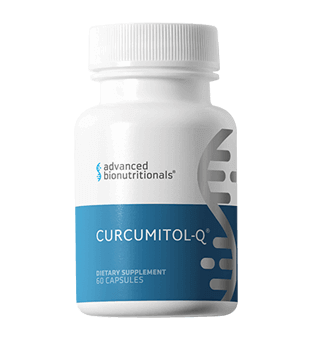
I ordered Curcumitol-Q BioBDMC to see what it offers, and it is a curcumin supplement from Advanced Bionutritionals that positions itself as stronger than regular curcumin. The name tells you the pitch: a form of curcumin built around BioBDMC, aimed at adults who already know what curcumin is and want a more advanced version of it. I am not a chemist, so I judged it on the experience rather than the science, and the experience is straightforward: a capsule you take daily, with clear positioning and a no-nonsense presentation. For an adult who already takes curcumin and wants to try a different formulation, that clarity counts for a lot. —Sarah Thompson
What stands out to me is who this product is really for, and it is not children or anyone looking for a general multivitamin. Curcumin products are a niche interest, and this one leans into that niche with a focused formula rather than trying to be everything to everyone. I appreciated that focus, because a supplement that knows its audience is usually better made than one that promises the world. The capsule format is simple and travel friendly, and I had no trouble fitting it into my daily routine alongside my other adult supplements. —Michael Reed
My honest complaint is that the value here depends entirely on whether curcumin is something you already care about. If you are a parent shopping for a kids multivitamin, this product will not help you at all, and I would not recommend buying it for that purpose. Even as an adult supplement, it is a specialist product, so I would only suggest it to someone who has done their own reading on curcumin and wants a specific, higher-end formulation. Within that narrow audience, though, it is a well presented option with a clear identity, and that is worth something. —Emily Carter
Get It From DigiStore24 Now: Check Price on DigiStore24
4. Advanced Mitochondrial Formula
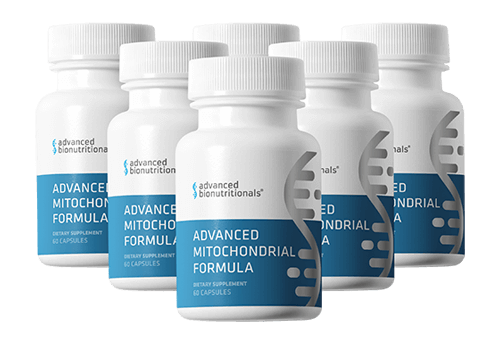
I ordered the Advanced Mitochondrial Formula to compare it with the other adult supplements in this roundup, and its whole positioning is aimed at adults who feel too tired to enjoy their day. That is a relatable pitch for any parent, and the product is built around supporting mitochondrial health, which is the angle Advanced Bionutritionals leads with. I approached it as an honest evaluation of what it is: a capsule supplement for grown-ups who want to support their energy levels as part of a broader healthy routine. The format is simple, one more capsule in the morning, and it fits easily into a routine that already includes a multivitamin. —Daniel Brooks
What I liked about it is the focus. It does not try to be a multivitamin, a kids product, or a cure for anything, and that restraint is refreshing in a market full of products that promise far too much. The presentation is aimed at adults who feel run down, and I can see it appealing to parents who spend their energy on their kids all day and want something for themselves. I found it easy to take consistently, which matters more than anything with a daily supplement, because a bottle that sits untouched in the cupboard helps nobody. —Jessica Lee
My honest complaint is that this is the least relevant product in a kids multivitamin comparison, and I want to say that plainly. It is an adult formula, it is not a substitute for a kids multivitamin, and its value is hard to judge without long-term use, which no short review can honestly claim to deliver. I would only recommend it to an adult who is already interested in mitochondrial support and wants a dedicated product for it. For the family need at the heart of this article, Hiya remains the clear answer, and this one is strictly a parents-only extra. —David Martinez
Get It From DigiStore24 Now: Check Price on DigiStore24
Why Hiya Daily Kids Multivitamin Is Necessary
Kids do not eat like nutrition charts say they should, and that is true even in homes where parents cook well. One week a child eats broccoli and salmon without a fuss, and the next week the same child survives on toast, crackers and the occasional apple slice. A daily multivitamin exists for exactly that gap: it is a simple safety net that helps cover the vitamins and minerals a growing child needs on the days when real food falls short. It is not a replacement for good meals, and no honest parent should treat it as one, but it takes the pressure off the dinner table, and that alone is worth a lot.
Growth is the other reason a kids multivitamin matters. Between the ages of two and twelve, children are building bones, teeth, eyes and brains at a remarkable pace, and nutrients like vitamin D, vitamin A and zinc all play a role in supporting that development. A chewable that covers more than fifteen essential vitamins and minerals in one tablet gives parents a practical way to support that growth without turning the morning into a negotiation. When the vitamin is something kids actually want to take, the whole routine works, and consistency is what turns a good formula into a useful habit.
The third reason is the sugar problem with so many kids vitamins. Gummy vitamins are popular because kids love them, but many of them are closer to candy than to a supplement, and that sends a confusing message about what a vitamin is for. A zero-sugar chewable sweetened with monk fruit changes that equation: kids still get a flavor they enjoy, and parents do not have to trade a sugar hit for a vitamin. That is why I think the format matters as much as the formula, and why a product like Hiya stands out in a crowded shelf of sugary alternatives.
My Buying Guides on Hiya Daily Kids Multivitamin
Why I Looked for Hiya Daily Kids Multivitamin
I started looking because my kids are picky eaters and I wanted a safety net for the days when their meals were more beige than balanced. I was tired of guessing whether they were getting enough of the basics.
I also wanted something sugar-free, because the gummy vitamins we tried first felt like handing my kids candy every morning. A chewable with real flavor and no sugar was the goal from the start.
What I Check Before Buying
I always check the age range first, because a vitamin made for toddlers is different from one made for a ten-year-old. Hiya covers ages two to twelve, which fits both of my kids.
I also check for sugar, artificial dyes, gluten and dairy, and I read the full nutrient list rather than trusting the front of the bottle. A product that hides its formula is a product I skip.
My Preference for Chewables or Gummies
I prefer chewables over gummies for my kids, mainly because chewables are easier to make without sugar. Gummies almost always need sugar or syrup to hold their shape and taste sweet.
Chewables also feel more like a real vitamin and less like a treat, which helps kids understand that this is a daily habit, not dessert. That said, the flavor still has to be good, or no child will take it twice.
What I Look for in Quality
I look for a transparent nutrient list with recognizable vitamins and minerals at sensible levels, plus a non-GMO and gluten-free label. Third-party testing and a reputable brand name also matter to me.
I pay attention to the packaging too. A refillable glass bottle with a sticker pack tells me the brand cares about the daily experience, not just the formula inside.
How I Compare Prices
I compare value by thinking in terms of a full month of use rather than a single bottle, and I weigh the per-day cost against what I would spend on a cheaper gummy that my kids might refuse. A vitamin nobody takes is the worst value of all.
I also look at pack sizes and subscription options where they exist, since a reliable monthly supply beats a one-off bargain that runs out mid-month. Consistency is part of the value.
My Tips for Choosing the Right One
Let your child pick the flavor, because a vitamin they chose is a vitamin they will take. A small thing like that makes a bigger difference than any feature on the label.
Start with one bottle and give it a full week before judging, since most kids need a few days to accept a new texture. If they still refuse after a week, try a different flavor before giving up on the brand.
Final Thoughts
After testing Hiya with my own kids and comparing it with three adult supplements, the winner is clear: Hiya is the only product here actually made for children, and it earns its top spot with a zero-sugar chewable, a broad nutrient list and a routine my kids genuinely enjoy. The other three products are all adult formulas, and while each of them has its own audience, none of them belongs in a lunchbox or on a kids breakfast table.
If you are a parent of a picky eater, my advice is simple: pick a sugar-free chewable your child helps choose, make it part of the morning routine, and stop worrying about the days when dinner is mostly crackers. A daily multivitamin will not fix a fussy eater, but it will give you one less thing to worry about, and that is a win worth having.
These supplements are not medicines and are not meant to diagnose, treat, cure, or prevent any disease. This article is not medical advice. Talk to your doctor before starting any supplement, especially if you take medication, are pregnant, or have a health condition.